
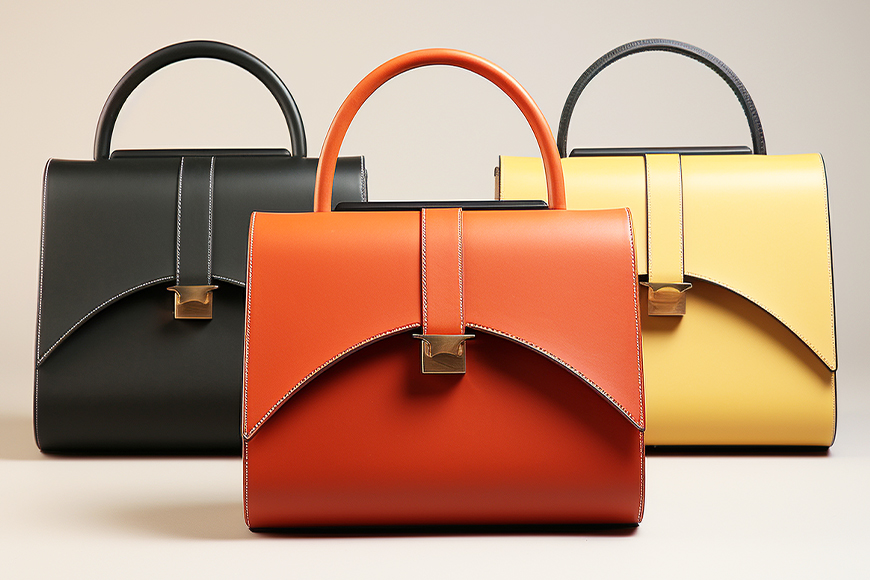
Walking into a contemporary boutique or scrolling through an online store presents an overwhelming array of textures, colors, and structural silhouettes. In the middle of this aesthetic excitement, consumers tend to frequently choose an accessory based entirely on visual appeal, only to discover major operational flaws during daily use. The thing is: a truly functional handbag must serve as a daily tool that balances anatomical alignment with spatial efficiency.
By shifting your evaluation focus from fleeting exterior trends toward smart structural features, you can protect an asset that simplifies your daily routines, protects your valuables, and delivers absolute comfort across changing environments.
The Core Blueprint of Interior Architecture and Organization
The true test of any handbag occurs when you need to locate a ringing smartphone, a security badge, or your house keys while navigating a crowded train platform or carrying groceries. Bags that feature a completely open, unstructured interior cavity force your belongings into a chaotic heap at the base, which creates immediate daily frustration.
When evaluating a potential purchase, value designs that implement a smart, multi-zone interior architecture. Look for a central zippered divider compartment that splits the main cabin in two distinct halves, allowing you to separate business files from personal items.
Beyond large main sections, high-utility bags incorporate secondary drop-in pockets stitched directly into the interior fabric walls. These small slips are engineered to anchor vertical items like pens, cosmetic tubes, and eyeglasses cases, preventing them from rolling along the bottom panel where they can suffer damage.
An often overlooked but highly useful detail is an integrated key lanyard; a long fabric or leather strap attached to the interior frame with a spring-loaded metal clip. This clip ensures your keys remain anchored to the exact same spot every day, eliminating the need to dig blindly through your bag.
Pay close attention to the color and texture of the interior lining textile itself. Avoid bags lined in deep black, dark charcoal, or dark navy fabrics, as these dark tones absorb light and turn the inside of your bag into a dark tunnel where small items disappear from sight. Instead, select bags that feature light neutral linings such as soft cream, tan, beige, or light gray. This simple color contrast reflects ambient light when the bag is open, casting your belongings into sharp relief so you can spot what you need immediately.
Hardware Engineering, Fasteners, and Perimeter Defense
The longevity of a daily handbag depends directly on the quality of its functional hardware. The main zipper track represents a common failure point on standard accessories: a split track or a broken slider quickly ruins the utility of an otherwise beautiful bag.
When inspecting a bag, verify that the manufacturer utilizes heavy-duty metal teeth zippers rather than cheap nylon coil alternatives. Metal tracks provide a smoother slide, handle high structural tension without separating, and can be lubricated easily with a dab of neutral wax if they ever become stiff.
For pockets that require faster access, such as am exterior slot designed for your transit card or work badge, high-grade magnetic snaps tend to offer an ideal solution. These snaps use hidden rare-earth magnets embedded beneath the leather surface, pulling the flap closed automatically the moment you release it.
This eliminates the need to fumble with intricate buckles or twists while moving through turnstiles. For safety, ensure the primary entrance of your commuter bag seals completely via a full-length zipper track rather than a single central snap, preventing opportunistic pickpockets from slipping their fingers into the side gaps.
The Protection Standard:An exterior security pocket resting flat against your body canvas provides an uncompromised shield for your passport and high-value wallet cards during international travel or busy city commutes.
Finally, turn the bag upside down and inspect the base configuration. A high-quality everyday bag should incorporate a protective metal feet, often referred to as bag studs which are riveted appropriately into the bottom leather panel.
These small metal nubs lift the bottom of your bag a few millimeters off the ground when you place it down on restaurant floors, office carpets, or airport benches. This simple barrier prevents moisture, dirt, sidewalk grime from scuffing the bottom material, preserving the structural shape of your bag for years.
Strap Ergonomics and Weight Distribution Mechanics
Carrying a poorly engineered handbag can cause real physical fatigue, resulting to localized shoulder tension, muscle stiffness, and posture alignment issues over time. To protect your body during long travel days, analyze the attachment points and proportions of the carrying straps before completing your purchase.
A high-utility commuter bag should feature wide, flat shoulder straps that tend to distribute the downward gravitational pull of your cargo across a larger surface area on your clavicle muscle, preventing the straps from digging into your skin.
If you prefer the flexibility of a crossbody bag, verify that the long strap includes a fully adjustable metal side buckle, allowing you to alter the drop length to match your exact height and clothing layers.
The base of the bag should rest comfortably against your upper hip bone; if the bag bounces against your mid-thigh as you walk, it forces your body to compensate rhythmically, causing lower back fatigue.
Look for straps attached to the main chassis via rotating metal swivel snaps, which allow the leather band to turn freely without twisting or binding as you move.
In case of heavy-volume satchels and work briefcases, a dual-carry configuration is a mandatory utility feature. This setup pairs a rigid, reinforced of short crown handles for hand-carrying through professional environments with a detachable, padded shoulder strap for hands-free mobility during your active commute.
This allows you to shift the carrying load between your hands, forearms, and shoulders throughout the day, preventing repetitive strain on any single muscle group and keeping your energy levels high.
Material Durability, Stitching Lines, and Finish Coatings
The material blueprint of your handbag dictates how much effort you must spend on maintenance over its lifecycle. While delicate, unlined lambskin and fine open-pore suede offer a soft texture, they tend to remain highly vulnerable to rain stains, color transfer from dark denim, and surface scratches. For an everyday utility bag that handles busy schedules without needing constant attention, select resilient material finishes like pebbled leather, cross-grain saffiano leather, heavy-duty ballistic nylon, or water-resistant processed canvas.
Saffiano and pebbled finishes feature a textured surface print that hides everyday scuffs, minor water drops, and fingernail marks completely, maintaining a polished appearance with minimal upkeep.
When testing the exterior construction, run your eyes cautiously along the stitch lines. Look for thick uniform thread counts and reinforced double-stitching at high-stress junctions, such as where the handle loops join the main frame.
Avoid bags with loose threads, uneven spacing, or exposed glue layers, as these production shortcuts point to rapid structural failure under heavy loads.
Finally, test the raw edges of the leather panels to ensure they are sealed with a smooth, flexible resin coating, often called edge painting. This protective barrier seals the exposed fiber layers of the hide, preventing moisture from seeping inside and causing the material to fray or separate over time.
By looking for these hidden quality markers; light interior linings, metal hardware, ergonomic straps, and resilient material finish you can purchase a handbag that works quietly behind the scenes to make your daily journeys completely smooth and efficient.
Make an Informed Asset for Your Daily Routine
Mastering your personal accessory wardrobe requires stepping back from impulsive retail trends and focusing your attention on the practical details that deliver long-term utility. A beautiful bag loses its value quickly if it causes physical discomfort or turns finding your wallet into an everyday struggle.
By valuing smart interior zoning, heavy-duty metal hardware, and comfortable strap designs, you tend to protect a partner for your active life. Smart choices build everyday ease.
So, are you ready to simplify your next shopping experience and select a handbag built for your actual daily routine? Explore our comprehensive style handbooks, download our structural evaluation checklists, and view our recommended utility layouts today. Spend in functional design and enjoy a seamless, organized journey every single time you step out of the front door.